

New National Tyrewise Regulations Effective 1st March – A Tyre Stewardship Fee Will Apply To Manage End-Of-Life Tyres Disposal. See Details.
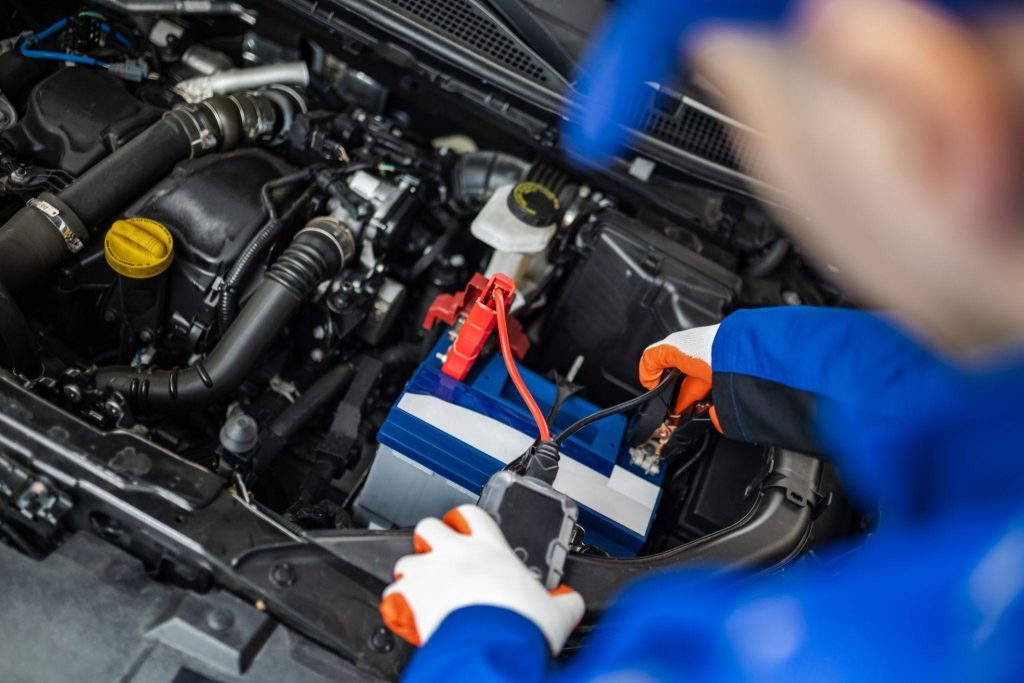
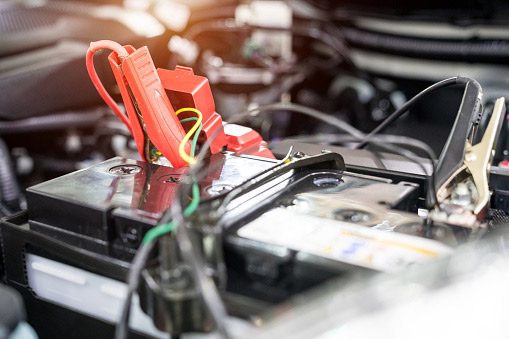
If your vehicle is slow to start, making clicking sounds, or your battery is more than 3–5 years old, drop into your local Tyrepower store. We test, supply and fit quality batteries backed by trusted global brands
We stock a range of trusted battery brands to suit different vehicles, driving conditions and budgets — all backed by expert advice and professional fitting.
Think your battery might be on the way out, or just want peace of mind before a road trip?
Use our Store Locator to find your nearest Tyrepower and get your battery tested today.
Get the Power of a reliable start — every time.
Services may vary by store — check with your local Tyrepower.
Informational FAQs covering what batteries do, how long they last, costs, battery types, and recycling. These answer research-stage queries.
A car battery provides the burst of energy needed to start your vehicle by powering the starter motor. It also keeps your headlights, radio, and other electrical systems running when the engine isn’t. Once the engine is going, the alternator takes over and recharges the battery ready for the next start. In modern vehicles, the battery also supports advanced features like safety systems and start-stop technology — making it far more than just a way to get moving. A weak or failing battery doesn’t just mean trouble starting; it can affect your car’s overall performance and reliability.
Most car batteries last between 3 and 5 years, though this varies depending on your driving habits, climate, and how well the battery is maintained. Frequent short trips can prevent the battery from fully recharging, while extended periods of inactivity cause it to lose charge and deteriorate more quickly. New Zealand’s temperature extremes — from cold southern winters to hot summer days — can also impact battery life. As a general rule, have your battery tested annually once it reaches 3 years old so you’re not caught out.
Battery pricing varies depending on your vehicle’s size, type, and power requirements. Vehicles with start-stop technology or high electrical demands typically need a more specialised battery, which can affect the cost. The best way to get an accurate price is to visit your nearest Tyrepower store or give us a call — we’ll find the right battery for your vehicle and make sure it’s fitted correctly.
The right battery depends on your vehicle’s make, model, and electrical demands. Modern vehicles — especially those with start-stop technology, advanced driver-assistance systems, or heavy accessory loads — often require specific battery types such as AGM (Absorbent Glass Mat) or EFB (Enhanced Flooded Battery). Fitting the wrong type can lead to premature failure or damage to your vehicle’s charging system. The team at Tyrepower will identify the correct battery for your specific vehicle and fit it properly.
Start-stop technology automatically shuts the engine off when the car is stationary — at traffic lights, for example — and restarts it when you move off. This puts significantly more demand on the battery than a conventional setup, which is why vehicles with this system require either an AGM (Absorbent Glass Mat) or EFB (Enhanced Flooded Battery) rather than a standard battery.
If your vehicle has start-stop technology and you fit a standard battery, it’s likely to fail prematurely. It can also interfere with the system’s ability to function properly. If you’re unsure what type of battery your vehicle needs, bring it into your nearest Tyrepower store and we’ll sort it out.
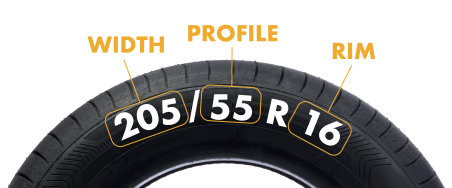
Battery labels can look confusing, but the key figures to know are:
When replacing your battery, you should always match or exceed the original specifications for your vehicle. The team at your local Tyrepower can help you find the right match.
Yes. Both heat and cold put extra strain on batteries. Cold winter mornings — particularly in the South Island and central North Island — increase the power demand on your battery at startup. High summer temperatures can accelerate internal battery degradation over time. If you live in an area with temperature extremes, or you’re heading into alpine conditions, having your battery checked before winter or a big trip is a smart move.
Old car batteries should never go in your household bin. They contain lead, acid, and plastics that require specialist recycling — the good news is that around 98% of a battery’s materials can be recovered and used to manufacture new ones. Tyrepower stores across New Zealand participate in battery recycling programmes, so you can drop off your old battery at any store for free. It’s an easy way to make sure harmful waste stays out of our environment.
On older or simpler vehicles, swapping a battery is relatively straightforward. However, on most modern cars, it’s not as simple as disconnecting the old one and fitting a new one. Many vehicles require battery registration or coding — a process that tells the car’s engine management system the specifications of the new battery so it can manage charging correctly. Skipping this step on vehicles that require it can cause issues with the charging system and shorten the new battery’s life.
For most modern vehicles, we recommend having the battery professionally fitted and registered. Tyrepower can handle this in-store — it’s a quick process and ensures everything is set up correctly.
Yes, Tyrepower batteries come with a warranty. The specific terms will depend on the battery brand and type — speak to your nearest Tyrepower store for full details. Keeping your receipt and any warranty documentation is always a good idea.
Problem-solving and service FAQs covering warning signs, testing, replacement, and what to do when things go wrong. These answer higher-intent queries closer to a purchase or visit
Yes — all Tyrepower stores across New Zealand stock car batteries and offer free battery testing. Whether you need a quick health check or a same-day replacement, your local store has you covered. Our team can test your battery and charging system on the spot and fit a replacement while you wait if needed. Find your nearest store
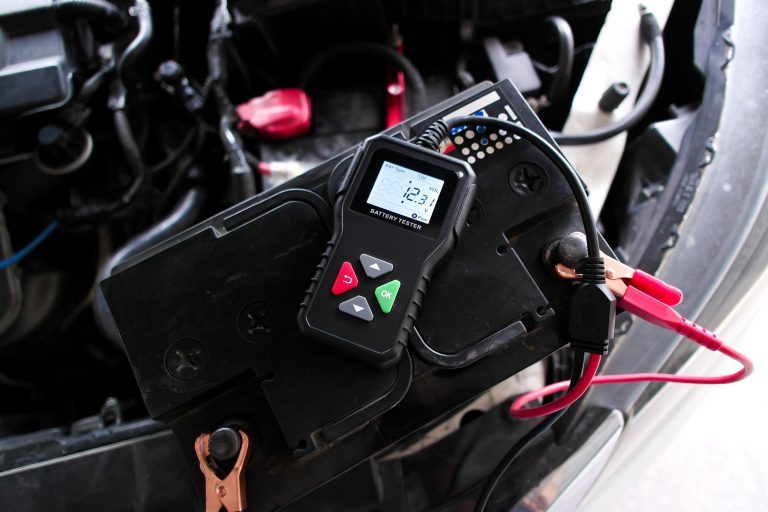
Yes. Your nearest Tyrepower store can carry out a free battery test that checks both the battery itself and your vehicle’s charging system. It only takes a few minutes and will tell you whether your battery is healthy, needs monitoring, or is due for replacement — no guesswork required. We recommend getting your battery tested annually once it reaches 3 years old, or before any long road trip.
There are several signs to watch for:
If you’re noticing any of these, don’t wait — get your battery tested before it leaves you stranded.
The general guideline is every 3 to 5 years, but don’t wait until it fails completely. If your car is slow to start, the lights are dim, you’re regularly needing a jump start, or there’s visible corrosion or swelling on the battery case, it’s time to get it looked at sooner. Replacing a battery before it dies completely is far less hassle than being stranded. Pop into your nearest Tyrepower store for a check — we’ll tell you straight whether it needs replacing.
A dead battery typically means your car won’t start at all, or the engine turns over very slowly. You might also notice dim or non-responsive lights, or electronics like windows or the radio not working properly. If you’re unsure whether the battery is the issue or something else — like the alternator — a quick test at Tyrepower will give you a clear answer. Don’t ignore the signs; catching it early can save you from a more expensive repair down the track.
If your car won’t turn over, the battery is the most likely cause. If you can safely jump-start the vehicle, drive it for at least 20 to 30 minutes to allow the alternator to recharge the battery. However, if the battery has failed completely or is more than 3 to 4 years old, a jump-start is only a temporary fix. Bring your vehicle into your local Tyrepower store and we’ll test the battery and charging system to give you a proper diagnosis — no charge for the test.
A battery that keeps going flat is rarely just a battery problem. Common causes include:
If jump-starting your car is becoming a regular occurrence, it’s worth getting a full battery and charging system test rather than just replacing the battery — otherwise you may find yourself back in the same situation. Tyrepower can diagnose the root cause and recommend the right fix.
It can. While a battery warning light doesn’t automatically mean the battery itself is the problem, a weak or failing battery can cause voltage irregularities that trigger warning lights across various systems. Electrical faults in modern vehicles often trace back to the battery or charging system, so it’s usually the first thing a technician will check. If a warning light is on and you’re unsure why, pop into your nearest Tyrepower store for a battery and charging system check.
In most cases, no — but it’s worth understanding the relationship. Your alternator recharges the battery while the engine is running and powers your vehicle’s electronics. A severely degraded battery can cause the alternator to work harder than normal for extended periods, which can contribute to premature alternator wear over time. Conversely, a faulty alternator is a common cause of repeated battery failures, so if you’ve gone through more than one battery in a short period, the alternator may be the real culprit.
Yes — disconnecting a car battery can cause your vehicle to lose certain stored settings. Depending on the make and model, this may include radio presets, electric window calibration, idle calibration, and in some cases, stored fault codes that your mechanic may have been monitoring. Some vehicles also require battery registration after fitting a new one so the engine management system can manage charging correctly.
This is one of the reasons we recommend having your battery professionally fitted at Tyrepower rather than doing it yourself — our team can handle battery registration where required and make sure everything is set up correctly before you leave.
Yes, for the 12V auxiliary battery that most hybrid vehicles carry alongside their high-voltage hybrid pack. This auxiliary battery works like a conventional car battery — starting the car’s systems and powering accessories — and needs to be replaced on the same sort of schedule as any other vehicle.
The high-voltage hybrid drive battery is a different matter entirely and requires specialist equipment and training to work on. Tyrepower doesn’t service high-voltage hybrid batteries — for those, you’ll need to go to a certified hybrid specialist or your vehicle’s dealer.
A few simple habits can make a real difference:
None of these take much effort, but together they can add months or even years to your battery’s life.
Car batteries are relatively low-maintenance, but a little attention goes a long way. Check the terminals periodically for corrosion and clean them if needed. If the car has been sitting unused for a while, it’s worth checking the charge level. Avoid leaving electronics running with the engine off, as this drains the battery unnecessarily. Regular check-ups at Tyrepower will help you stay on top of any issues before they become a bigger problem.
"*" indicates required fields