Wheel alignment isn’t something most drivers think about until something doesn’t feel quite right.
Maybe your car has started pulling to one side. Perhaps the steering wheel isn’t sitting straight anymore. Or you may have noticed one of your tyres wearing faster than the others.
These can all be signs that your wheel alignment needs checking.
Knowing what to look for can help you catch alignment problems early, protect your tyres and keep your vehicle driving the way it should.
What Is a Wheel Alignment?
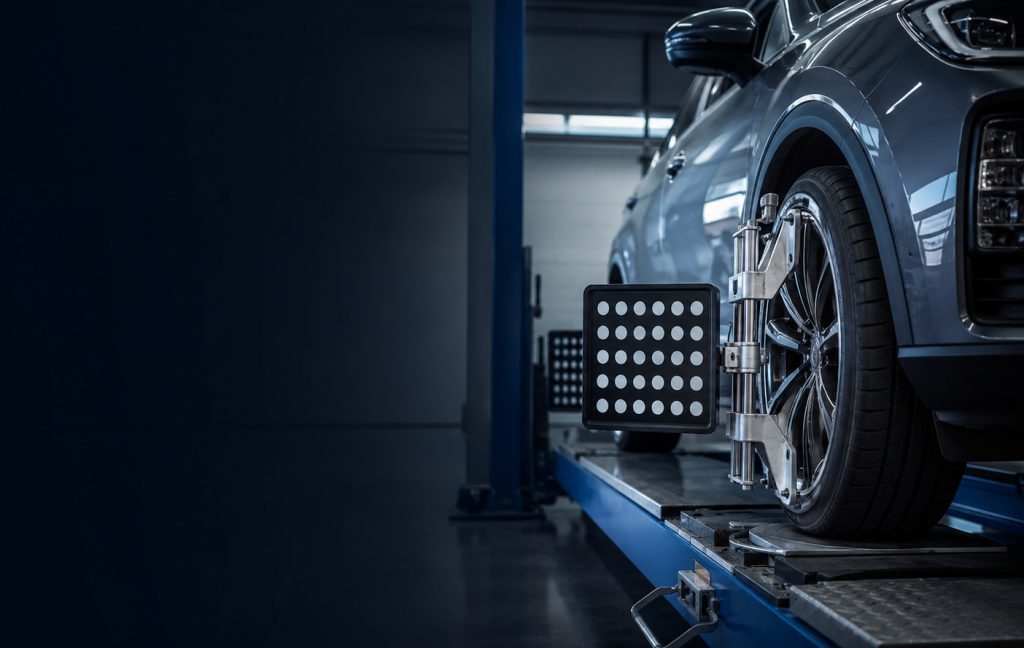
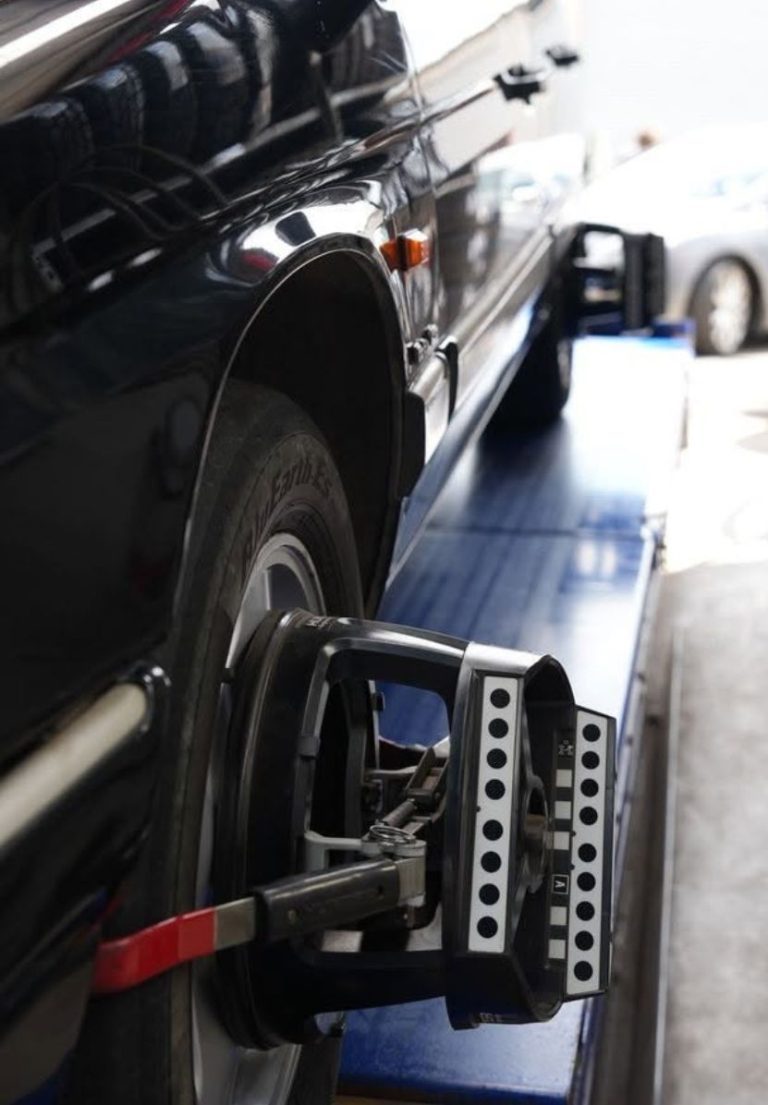
Wheel alignment is about making sure your wheels are positioned at the correct angles for your vehicle.
Over time, everyday driving conditions can affect those angles. Potholes, kerbs and wear in steering or suspension components can all contribute.
When your wheels aren’t correctly aligned, your tyres may not make contact with the road as evenly as they should.
So, what should you look out for?
6 Signs Your Wheel Alignment May Need Checking
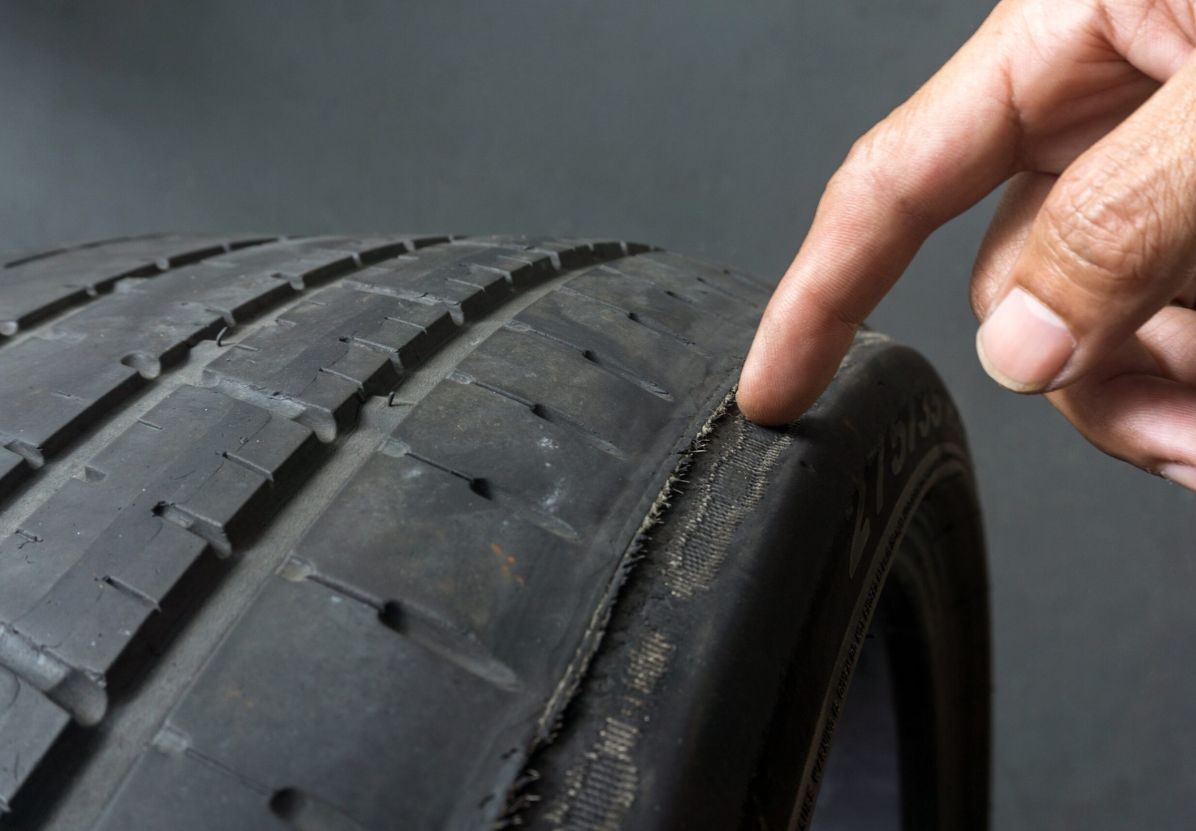
1. Uneven Tyre Wear
Look across the tread of your tyres. If one side is wearing noticeably faster than the other, your wheel alignment may need checking. Uneven wear isn’t always caused by alignment – incorrect tyre pressure and steering or suspension issues can also contribute – so it’s worth having the vehicle inspected.
Does your vehicle seem to want to move left or right when you’re driving straight? A noticeable pull can be a sign of an alignment issue. Keep in mind that the shape and camber of the road can also cause a vehicle to move slightly to one side, so pulling doesn’t automatically mean your alignment is incorrect.
3. Your Steering Wheel Isn't Straight
When you’re travelling straight ahead, your steering wheel should generally be centered. If the vehicle is travelling straight but your steering wheel is noticeably off-centre, it’s worth having your alignment checked.
4. You've Hit a Pothole or Kerb
We’ve all done it. A hard hit on a pothole or kerb can affect your wheel alignment. It can also potentially damage a tyre, wheel or steering and suspension components. If your vehicle feels different after a significant impact, getting it checked is a good idea.
5. Your Vehicle Feels Different to Drive
Sometimes the first sign is simply that your vehicle doesn’t feel quite right. You may notice a change in steering or handling or find yourself making more corrections than usual to keep the vehicle tracking straight. If something feels different, don’t ignore it.
6. You've Had Steering or Suspension Work Done
Replacing steering or suspension components can affect wheel alignment. Depending on the work carried out, an alignment check may be recommended afterwards to make sure everything is correctly set.
Should I Get a Wheel Alignment When I Buy New Tyres?
We recommend getting an alignment. New tyres are an investment, and incorrect wheel alignment can cause them to wear unevenly. It’s particularly worth having the alignment checked if your old tyres showed signs of uneven wear.
New Zealand roads aren’t always kind to tyres and wheels. A hard pothole strike can potentially affect your wheel alignment as well as your tyre, wheel and suspension. If you’ve hit a pothole hard enough to make you wince and the vehicle feels different afterwards, it’s worth getting things checked.
Does Steering Wheel Vibration Mean My Wheels Are Out of Alignment?
Not necessarily. A shaking or vibrating steering wheel can have several causes. Wheel balance, tyre or wheel problems and steering or suspension components can all be involved. That’s why it’s better to have the vehicle checked rather than assuming a wheel alignment will fix the problem.
Why Does Wheel Alignment Matter?
Correct wheel alignment can help:
Reduced uneven tyre wear
Get better lfe from your tyres
Improved steering and handling
Protect your investment in new tyres
Keep your vehicle tracking as it should be
Looking after your tyres isn’t just about alignment either. Correct tyre pressures, regular tyre checks and keeping an eye on tread wear can all help you get the best from your tyres.
Think You May Need a Wheel Alignment?
If you’ve noticed uneven tyre wear, pulling, an off-centre steering wheel or a change in the way your vehicle handles, your local Tyrepower can help.
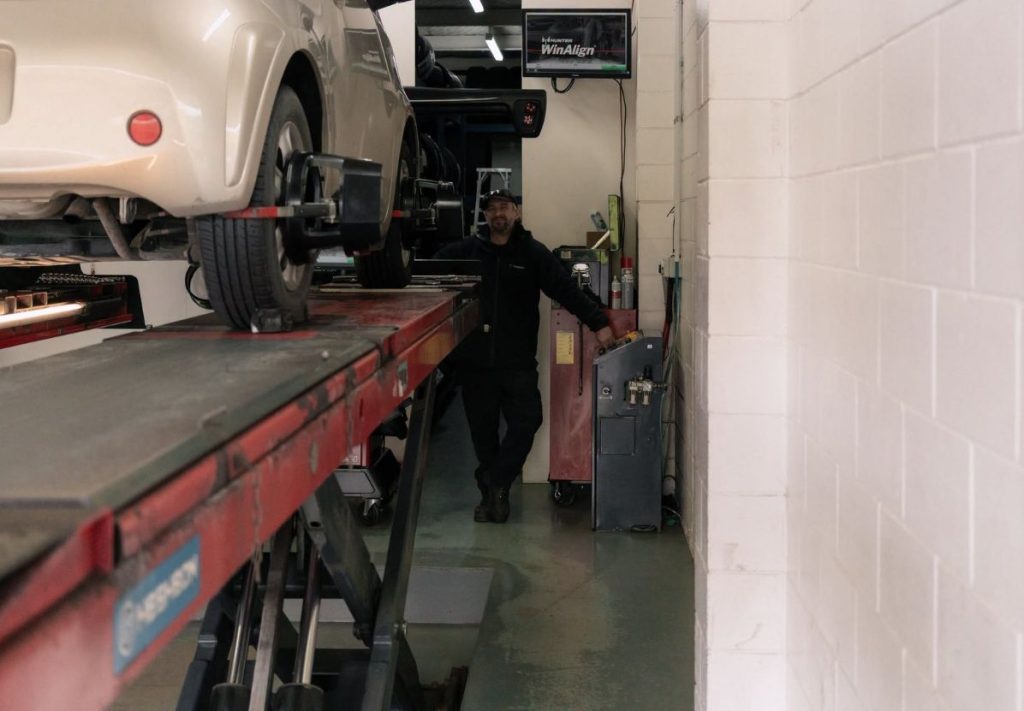
Tyrepower stores across New Zealand offer professional wheel alignment servicesand can inspect your tyres and vehicle to determine whether an alignment is recommended.